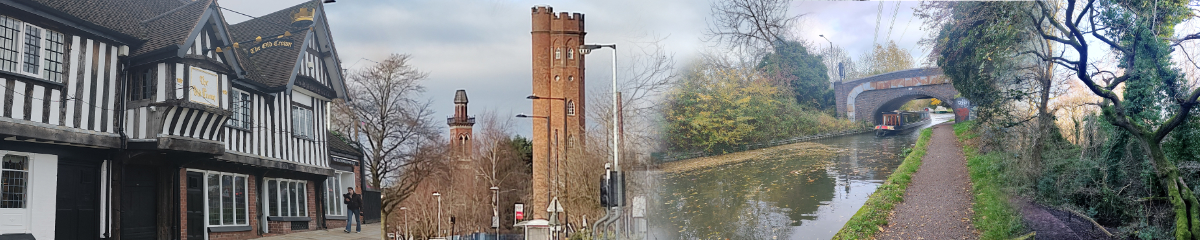
Tolkien’s Birmingham
Sarehole and Sarehole Mill
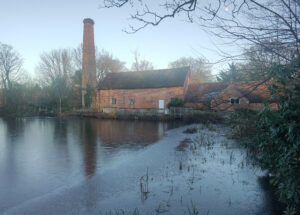
The rural, tranquil setting of Sarehole Mill provided inspiration for Hobbiton and The Shire
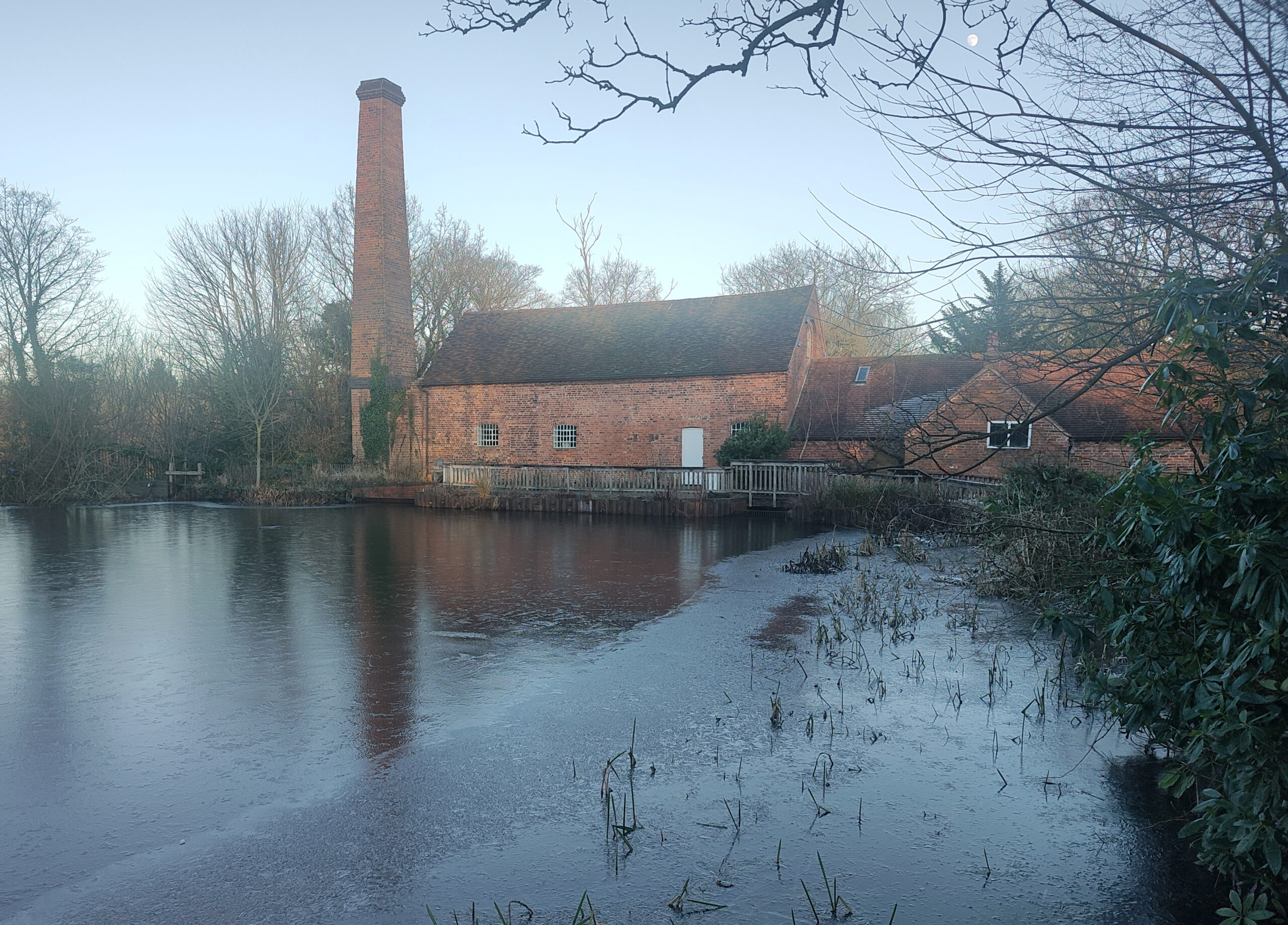 In 1896 his mother found them a home in Sarehole, then a small, picturesque village just outside Birmingham in Worcestershire, now in the Birmingham district of Hall Green.
The young Tolkien and his brother Hillary loved exploring Sarehole Mill and the nearby Moseley Bog. They would hop over the fence and spend hours playing in the grounds. They were sometimes chased out of the yard by George Andrew, the tenant miller’s son, who they nicknamed ‘The White Ogre’.
The time he spent living here profoundly affected his later life and he expressed an ‘intense love’ for the area.
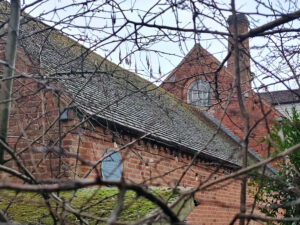
The Mill itself is now fully restored and run as a museum by the Birmingham Museums Trust.
It is a fascinating place to visit which, as well as the Tolkien connection, has a wealth of history.
Moseley Bog
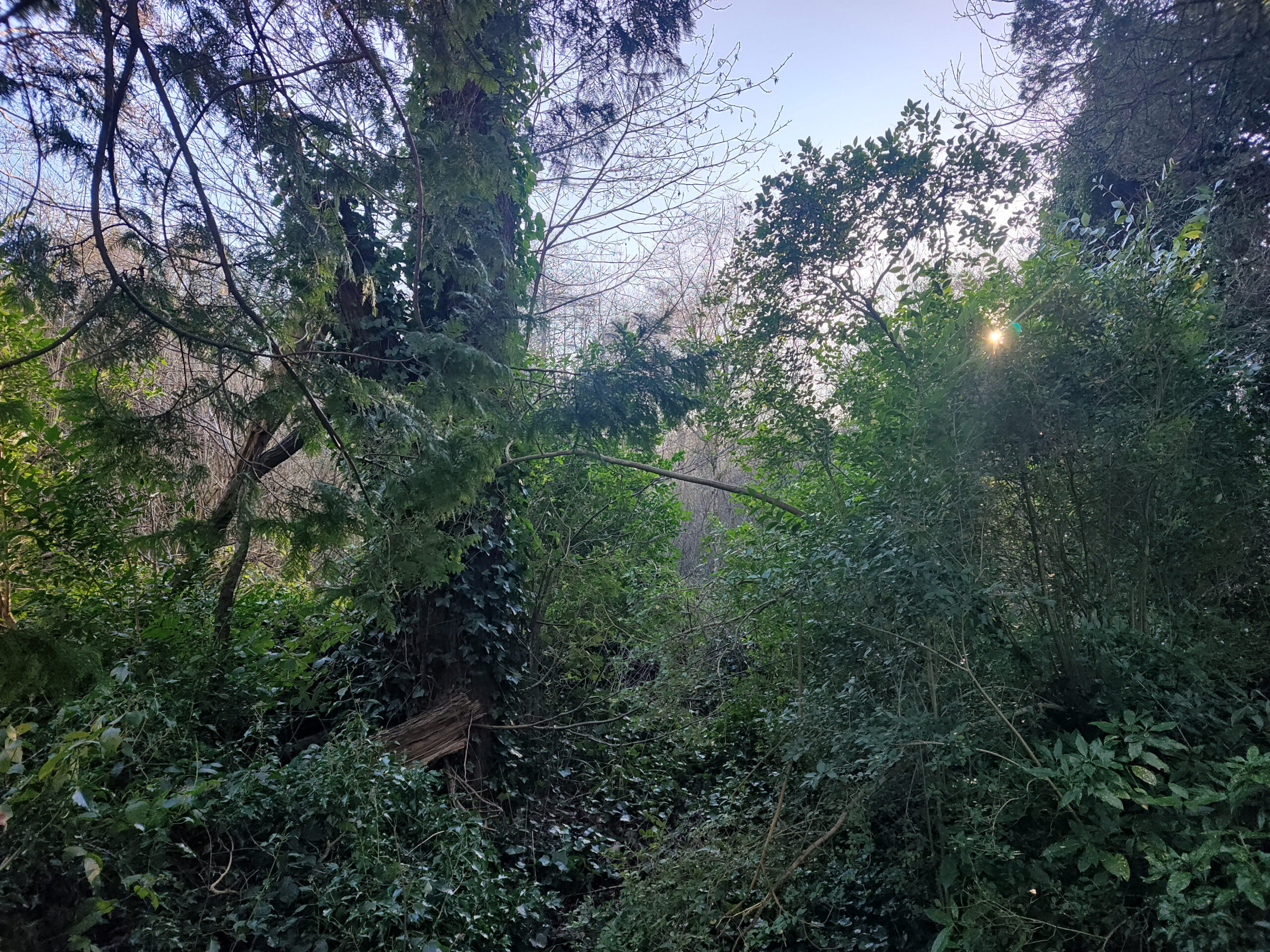
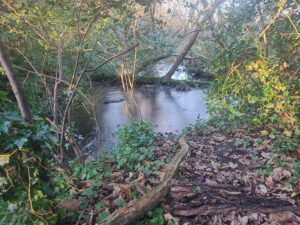
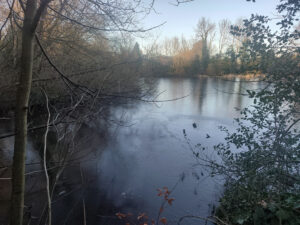
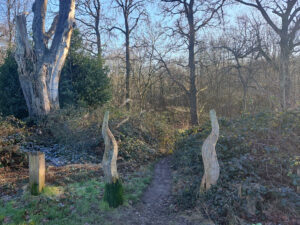
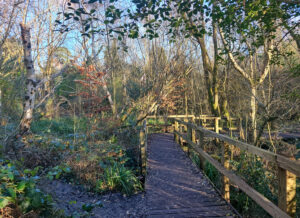
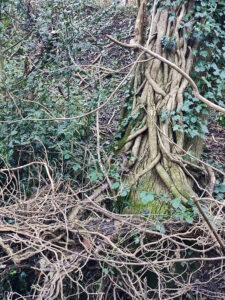
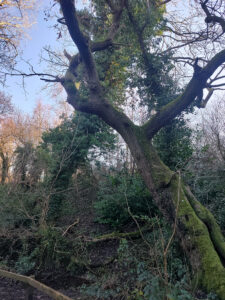
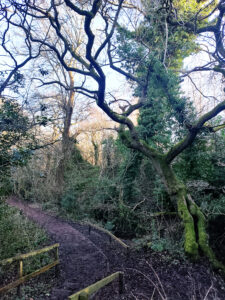
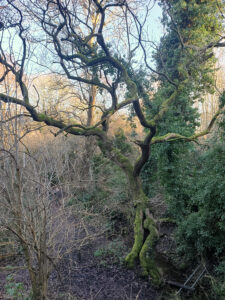
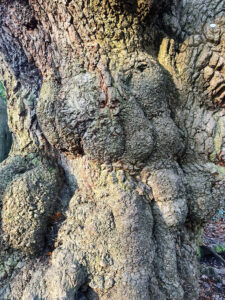
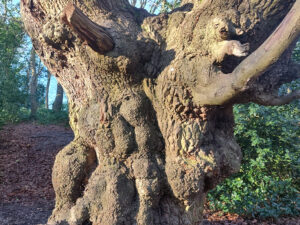
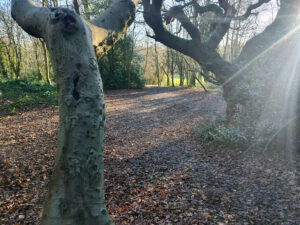
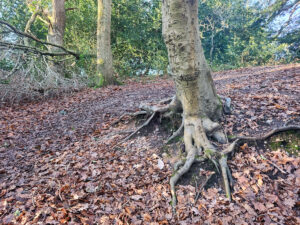
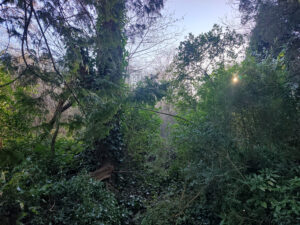
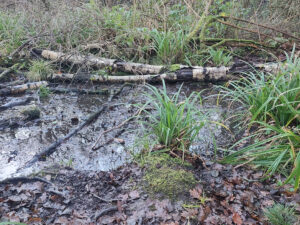
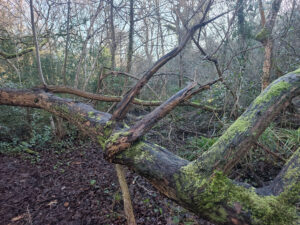
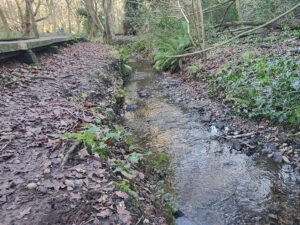
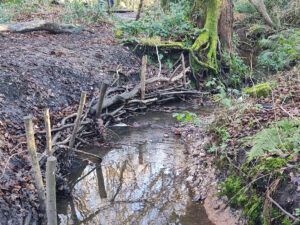
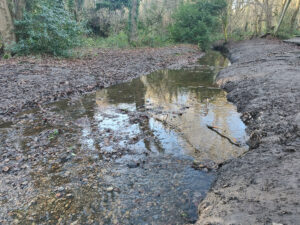
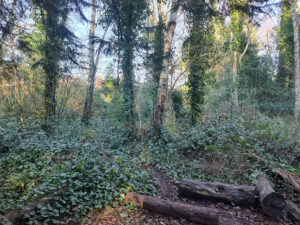
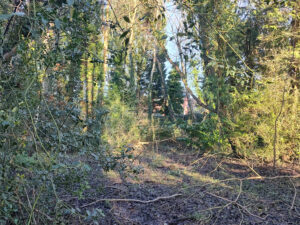
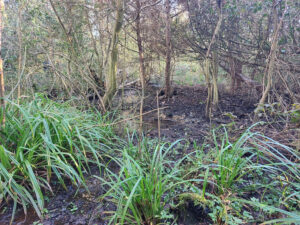
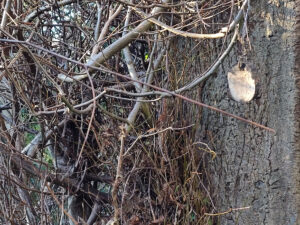
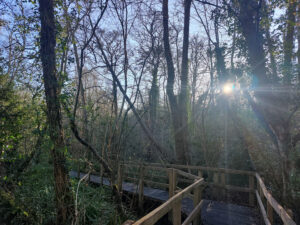
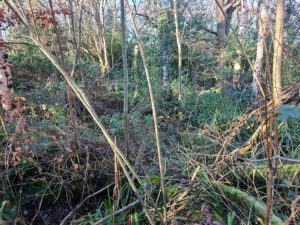
Behind the park containing the mill is Moseley Bog, the inspiration for the ‘Old Forest”, the primeval wild woods, where ‘Tom Bombadil’ lived.
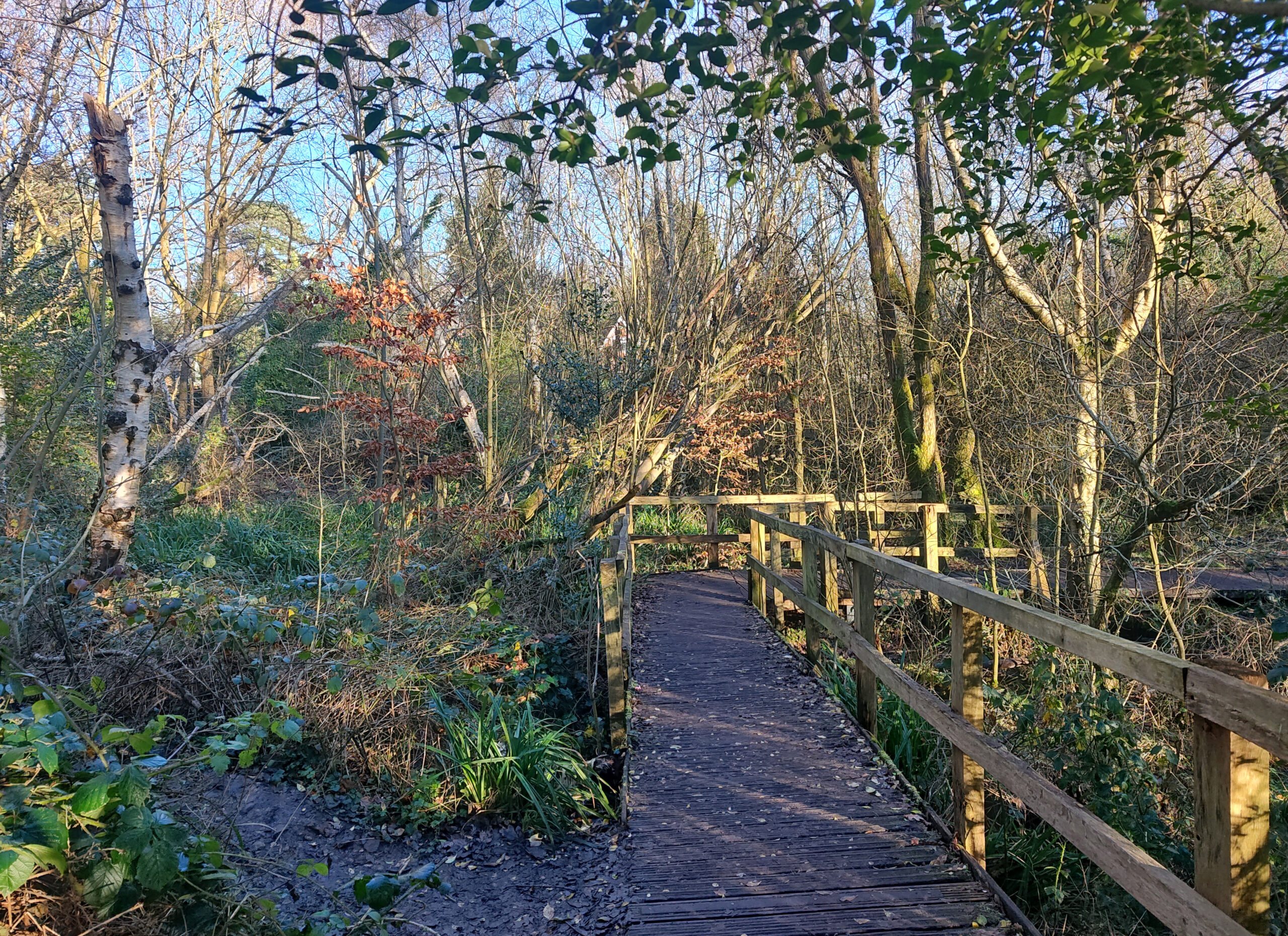
Moseley Bog is now preserved as a Nature Reserve managed by the Birmingham & Black Country Wildlife Trust and has a network of walkways to help you explore it.
(There are more photos in the gallery below)
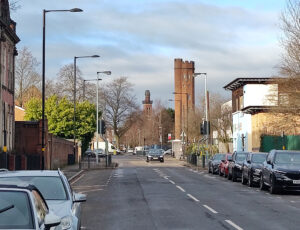
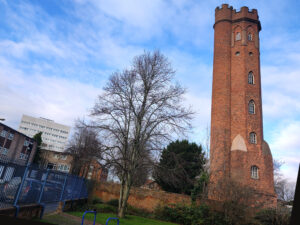
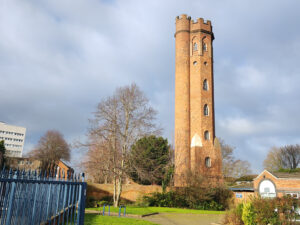
Edgbaston Waterworks Chimney and Perrott’s Folly
These landmarks later became the ‘Twin Towers’ of Minas Tirith and Minas Morgul, the Two Towers of Gondor
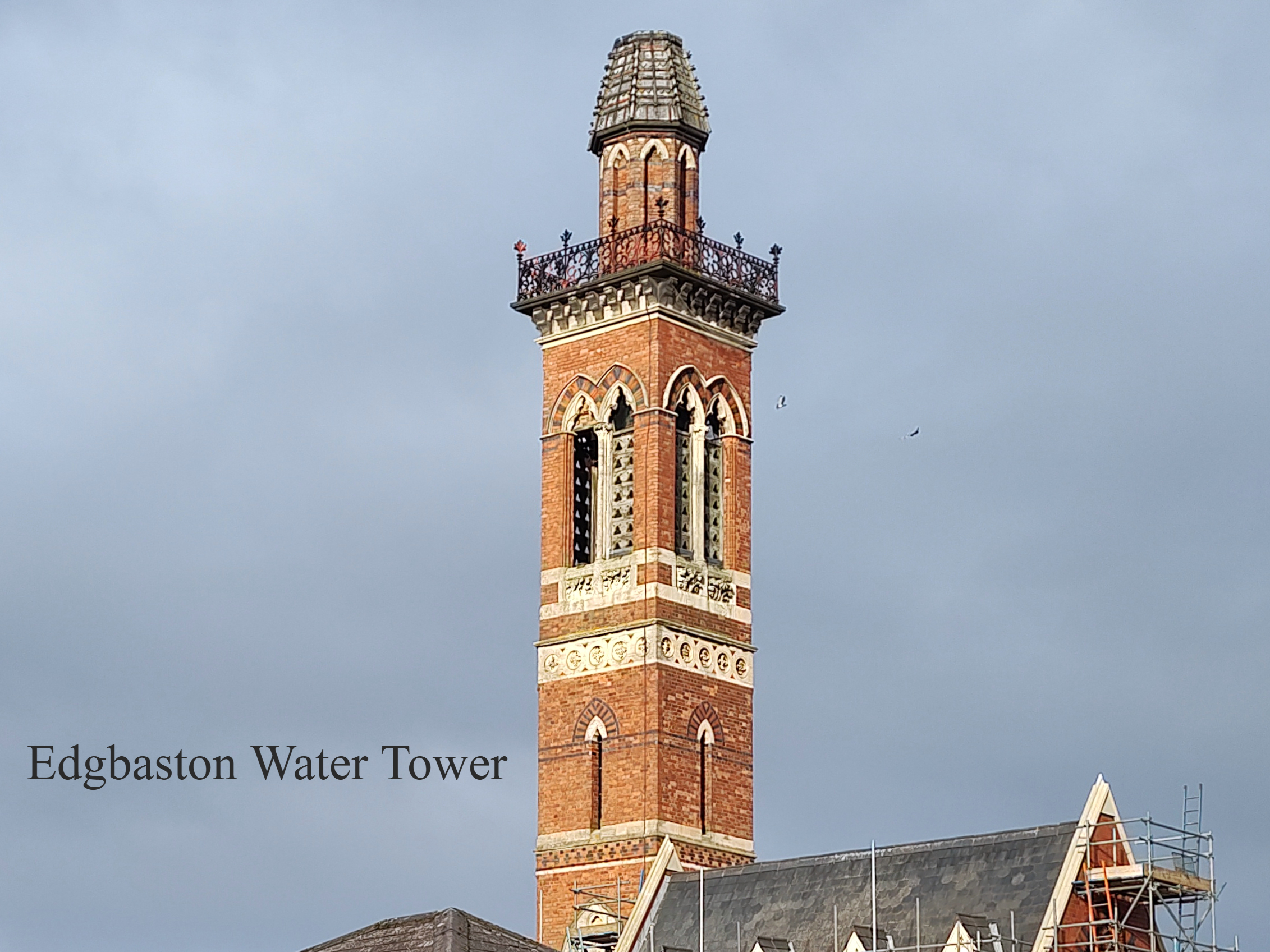 In 1902 the family moved again to a house in Edgbaston near the Egebaston Waterworks and Perrott’s Folley.
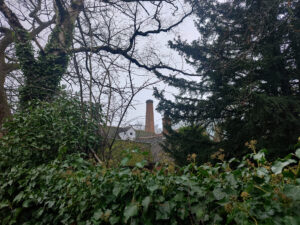
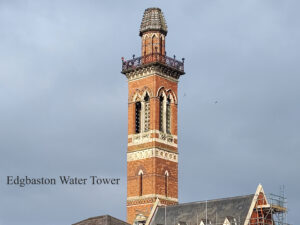
Perrott’s Folly and the chimney of Edgbaston Waterworks Tower are thought to have inspired Tolkien’s Two Towers of Gondor.
Tolkien never confirmed the connection but he certainly often walked past the towers on his way to school at The Oratory.
The ornate tower was built in 1870 in the design of a Renaissance bell tower to try and conceal the industrialization of the area and concealed a functional chimney.
The water tower is thought to have inspired Minas Tirith.
Today the chimney and pumping station are dormant but back in Tolkien’s day the chimney would have been belching out plumes of smoke reminiscent of Mordor
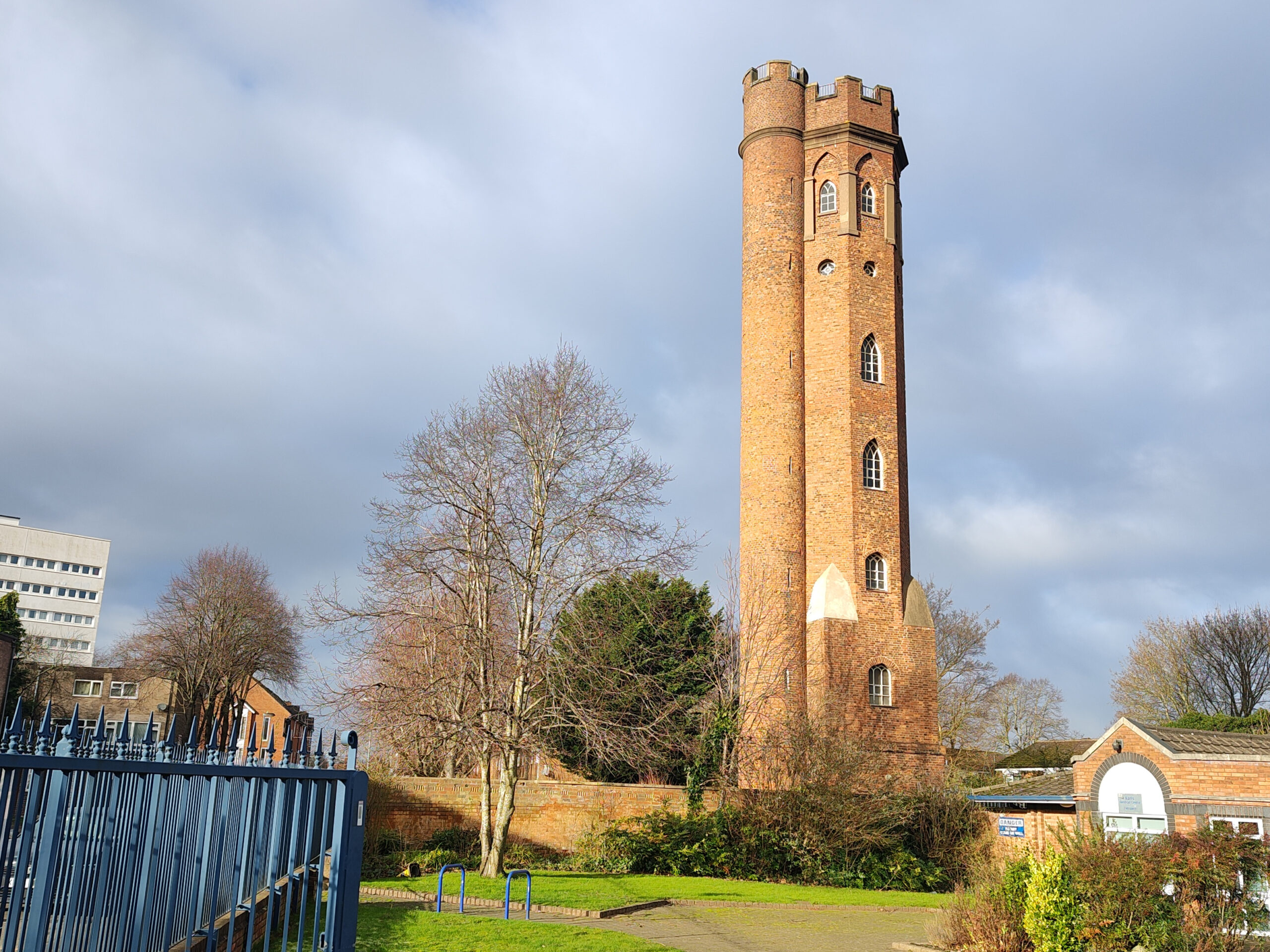 Perrott’s Folly, is a 29-metre (96-foot) tall tower, built by John Perrot in 1758.
It is not known why he built the folly which was originally part of a hunting lodge but it certainly bears a striking appearance to Minas Morgul.
Mabel and the boys Lived on Oliver Road and attended the nearby Cardinal Newman’s Oratory. The family would have seen the two towers every time they walked to church.
In April 1904 Tolkien’s mother, Mabel, became Ill with diabetes. 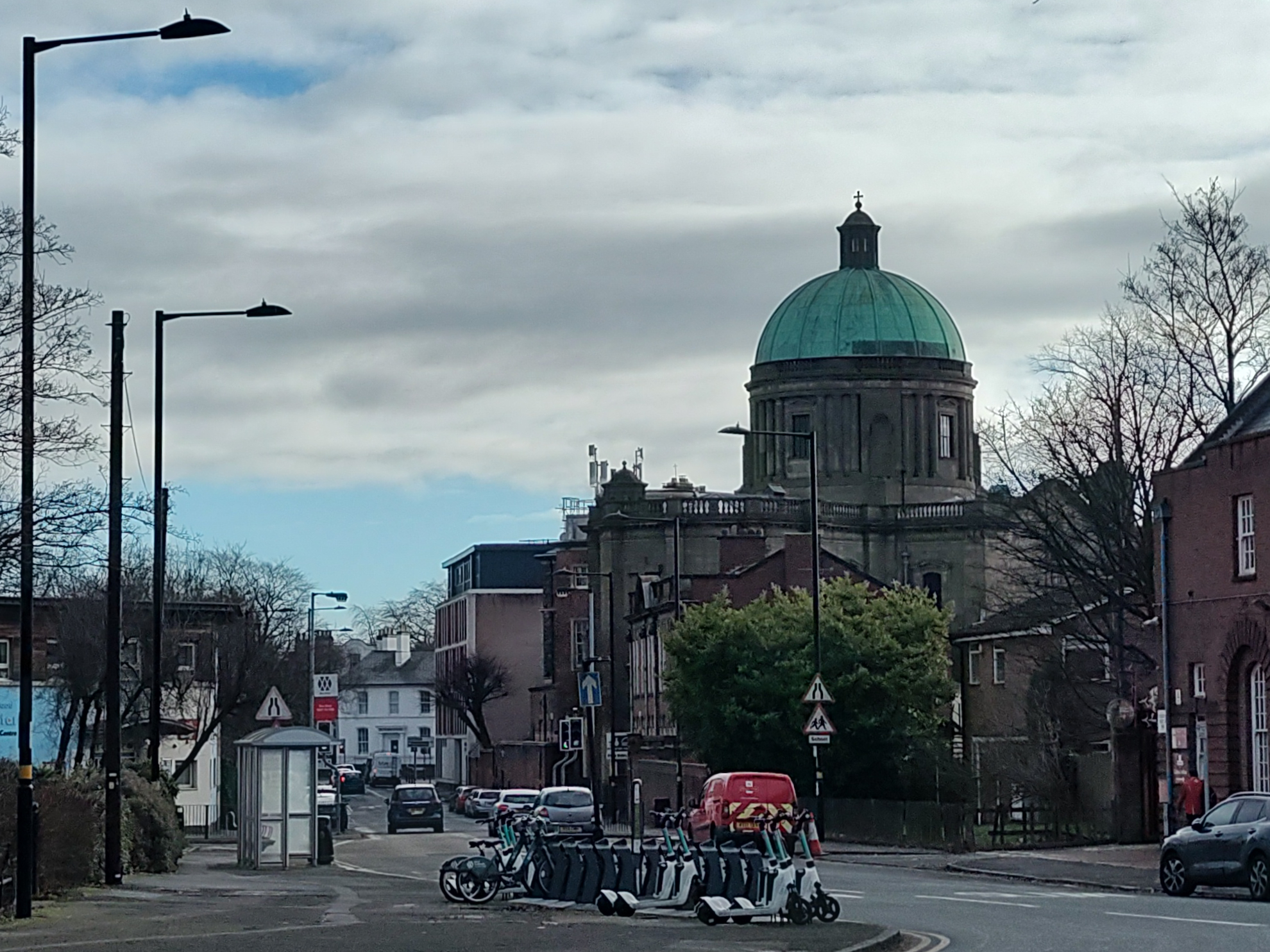 She was sent to hospital and the boys were sent to live with their Aunt Jane at Bag End Farm, in Dormston, Worcestershire.
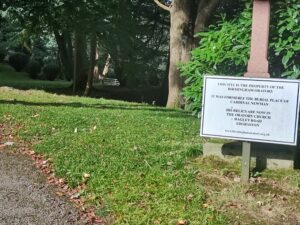
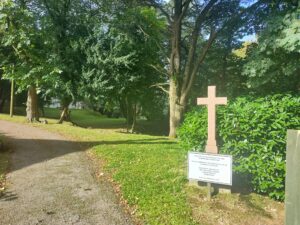
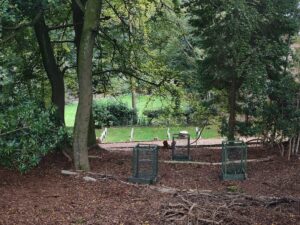
When Mabel was well enough to leave the hospital she and the boys went to live in Fern Cottage, a tiny house in Rednal on the grounds of The Oratory Retreat, a house and cemetery owned by The Birmingham Oratory and built by Cardinal Newman.
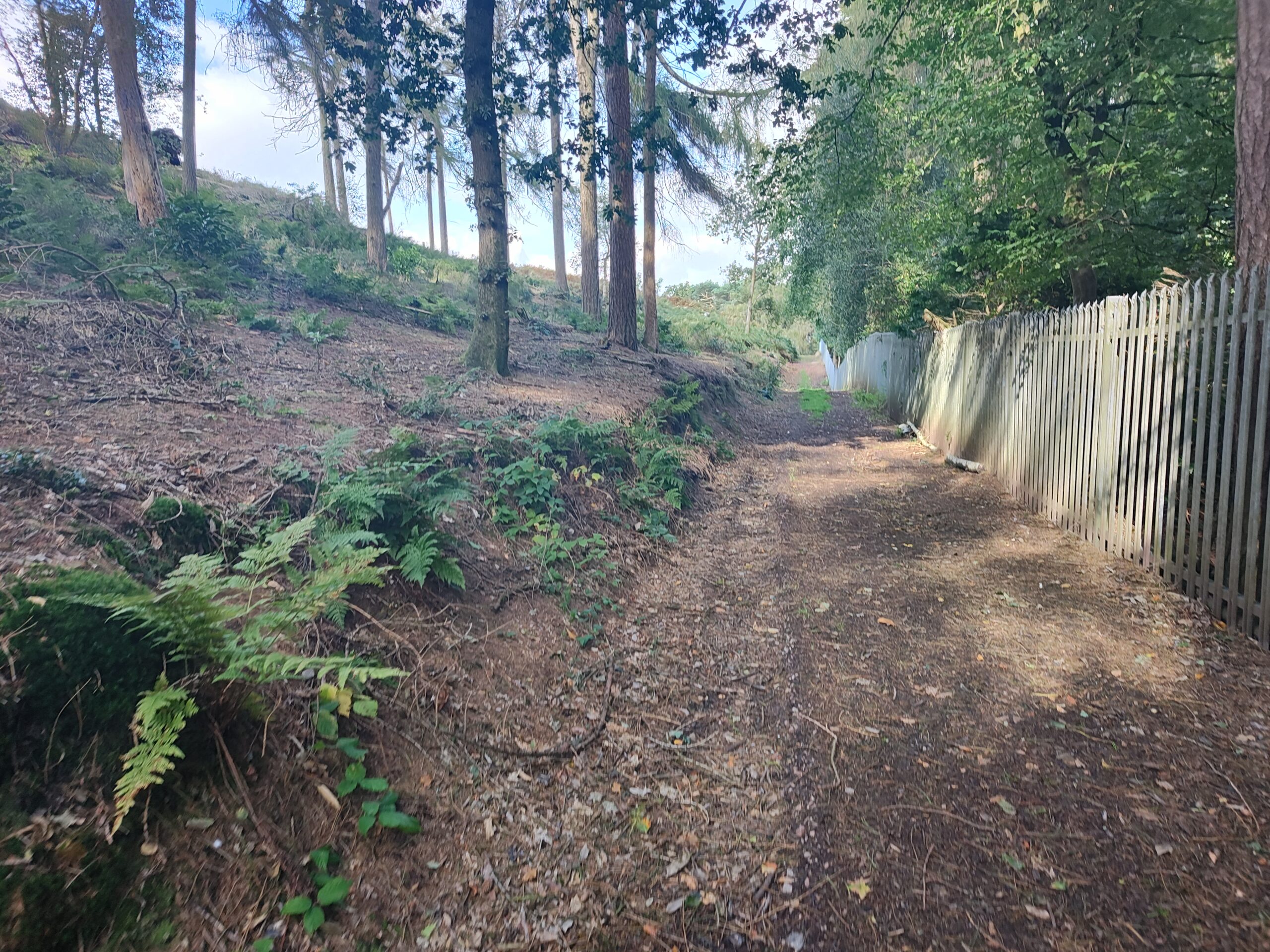
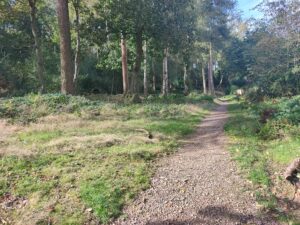
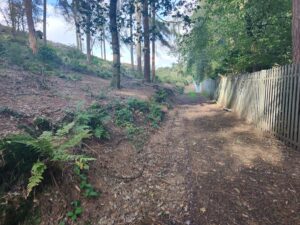
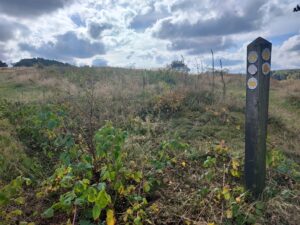
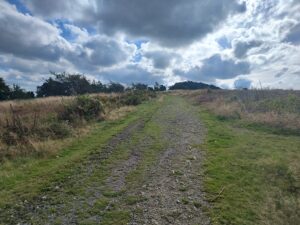
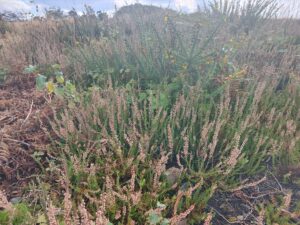
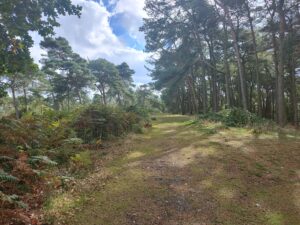
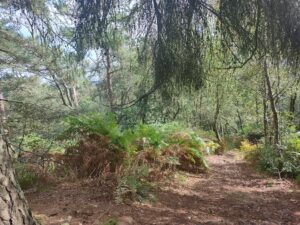
While staying at Fern Cottage, he and Hilary had the freedom to roam about the Oratory grounds and the nearby Lickey Hills which gave him a great love of nature.
Tolkien was only twelve when his mother died. She left him with faith and a love of language and fairy tales.
A lot of his writing is the product of many events which can be traced back to this tiny cottage.
I went on a walk to the Lickey Hills to see where Tolkien used to explore and play
….find out more by clicking here…
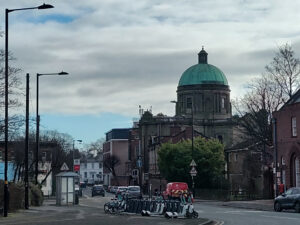
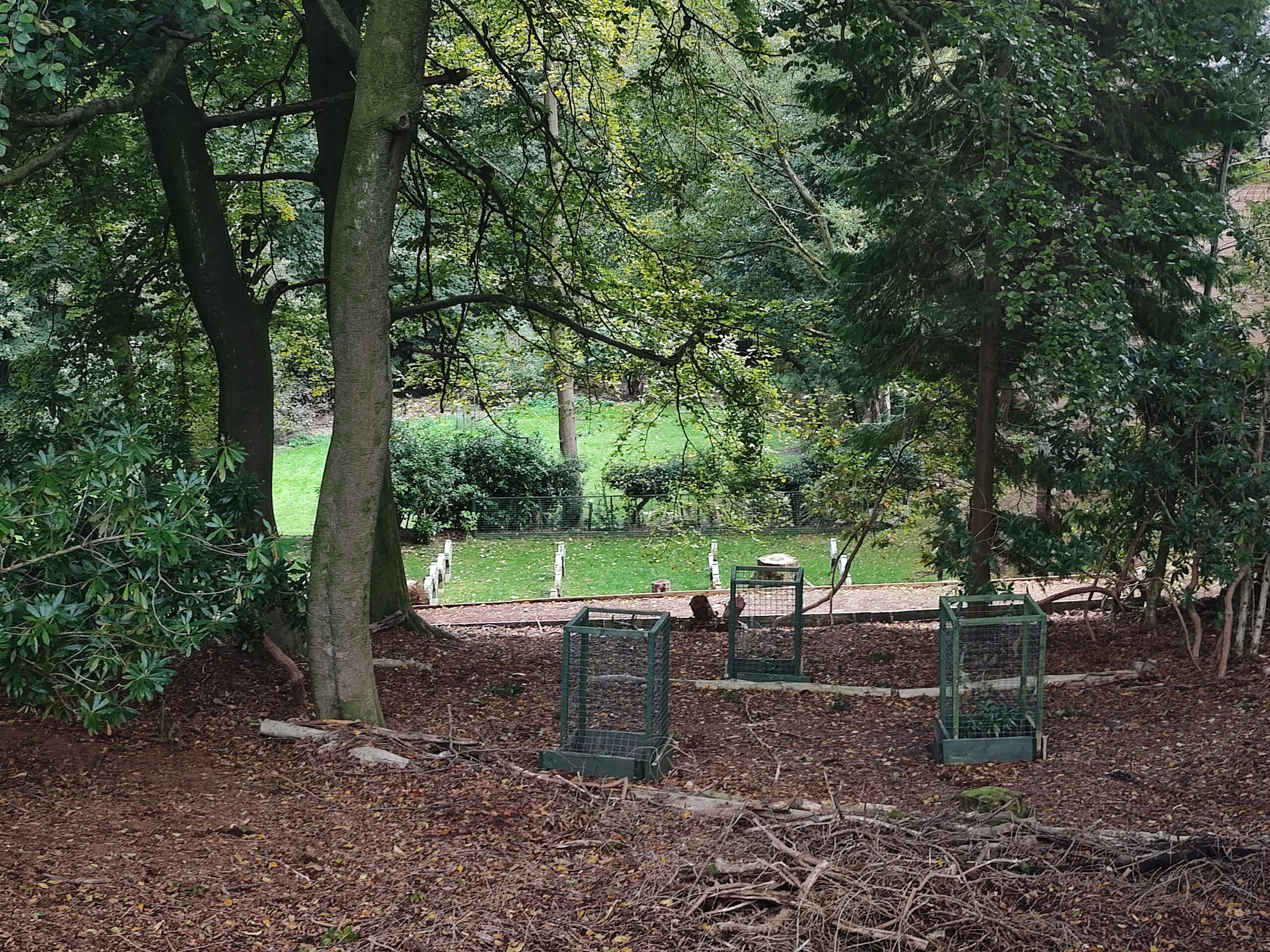 Birmingham oratory with its cemetery where Cardinal Newman was buried.


Comments
Tolkien’s Birmingham — No Comments
HTML tags allowed in your comment: <a href="" title=""> <abbr title=""> <acronym title=""> <b> <blockquote cite=""> <cite> <code> <del datetime=""> <em> <i> <q cite=""> <s> <strike> <strong>